
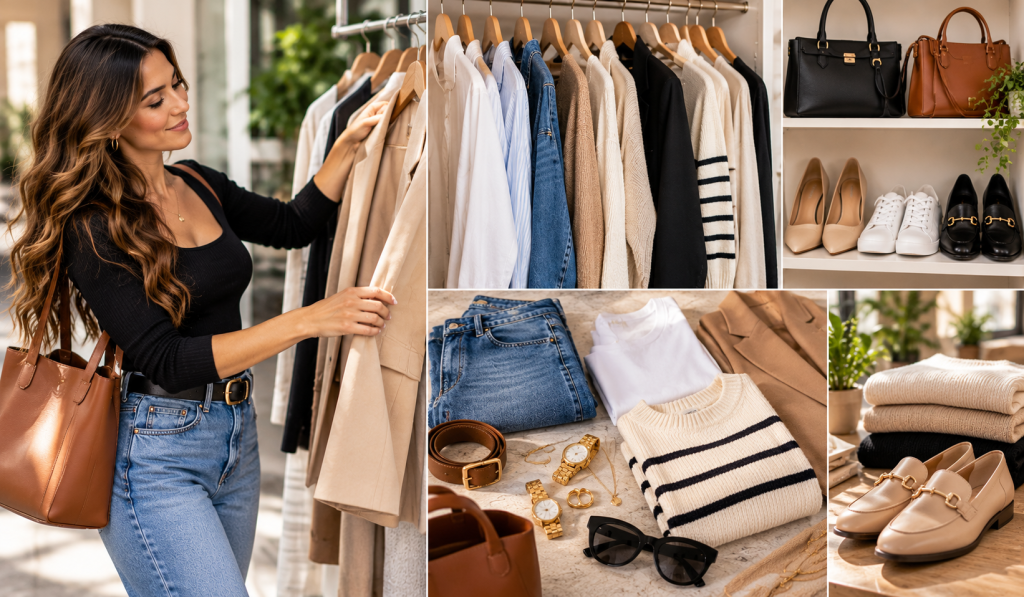
Fashion trends come and go, but some clothing pieces remain useful for years. Knowing which clothes are worth buying can help you build a versatile wardrobe, avoid unnecessary spending, and make better shopping decisions.
The secret to smart fashion shopping isn’t choosing the most expensive brands or following every new trend. It’s understanding which garments fit your lifestyle, offer lasting comfort, and work with the clothes you already own.
1. Invest in Versatile Wardrobe Essentials
A practical wardrobe begins with clothing that can be worn in different combinations. Versatile pieces make everyday dressing easier and reduce the need for frequent purchases.
Classic jeans, neutral T-shirts, comfortable trousers, and simple button-down shirts are useful starting points. These essentials can be styled for casual outings, work, or relaxed weekends. Before buying something new, consider whether it coordinates with at least three pieces you already own.
2. Choose Quality Over Quantity
Buying several inexpensive garments isn’t always the best way to save money. Clothing that quickly loses its shape or develops damage may require frequent replacement.
Examine stitching, fabric thickness, seams, and overall construction before purchasing. Well-made clothing can be found at different price points, including affordable retailers.
A higher price doesn’t automatically guarantee better quality. Focus on durability, comfort, and how frequently you’ll wear each item.
3. Buy Jeans That Fit Comfortably
Jeans are among the most useful wardrobe investments because they complement numerous outfits and work throughout the year.
Straight-leg, wide-leg, slim-fit, and relaxed jeans offer different styling possibilities. Choose silhouettes that suit your preferences rather than purchasing a particular cut simply because it’s trending.
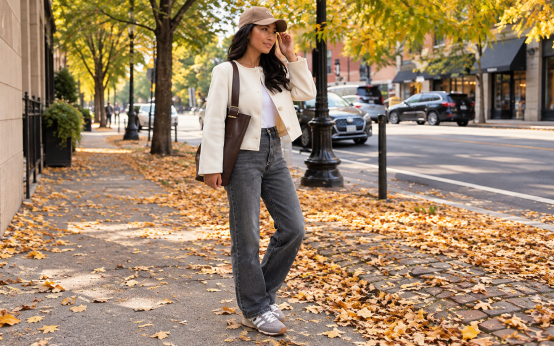
Medium-blue and dark denim are especially versatile. Pay attention to waistband comfort, fabric flexibility, and trouser length before making a decision.
4. Consider a Classic Blazer
A well-fitting blazer can transform simple clothing combinations into polished outfits without requiring an entirely new wardrobe.
Neutral blazers in black, navy, beige, or gray coordinate beautifully with jeans, tailored trousers, skirts, and dresses.
Choose a design with comfortable shoulders and practical sleeve lengths. A versatile blazer can be useful for professional settings, dinners, and everyday smart-casual outfits.
5. Invest in Comfortable Everyday Shoes
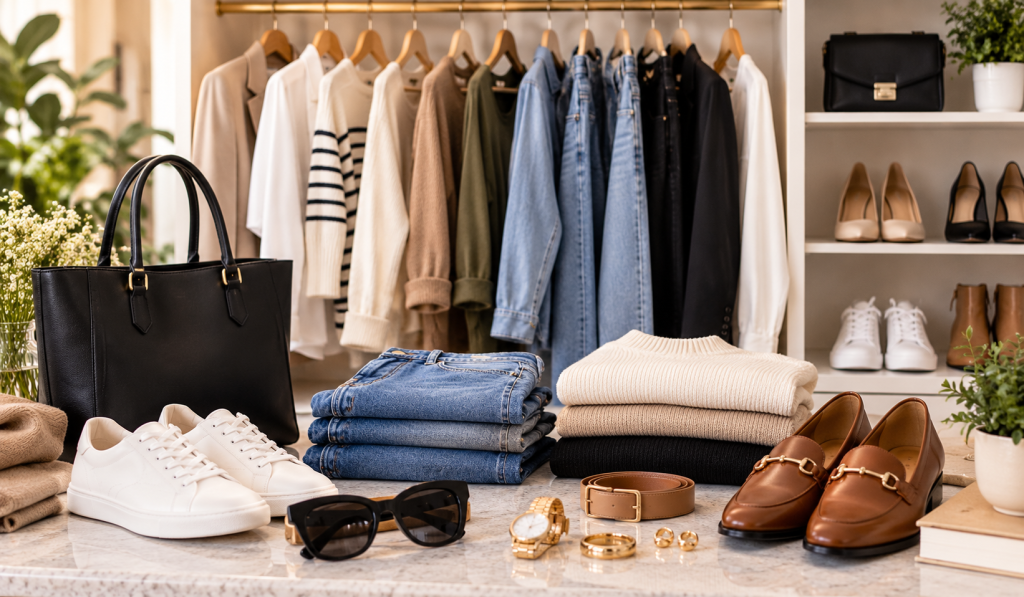
Shoes are worth choosing carefully because comfort and durability influence how frequently you’ll wear them.
Consider versatile footwear such as minimalist sneakers, loafers, ankle boots, or comfortable flats, depending on your lifestyle.
Before purchasing, evaluate fit, material quality, and how the shoes feel when walking. Avoid buying uncomfortable footwear simply because the design looks fashionable.
6. Choose Clothing That Matches Your Lifestyle
A beautiful garment isn’t necessarily a smart purchase if it doesn’t fit your daily activities.
Someone working in a professional office may benefit from tailored trousers and classic shirts. A person with a more casual routine might prefer comfortable jeans, breathable tops, and practical sneakers.
Think about your weekly schedule before shopping. Prioritize clothing you’ll realistically wear rather than items suited to an imaginary lifestyle.
7. Understand the Cost Per Wear
Cost per wear is a simple way to evaluate whether a clothing purchase offers reasonable value.
Divide the purchase price by the estimated number of times you’ll wear the item. For example, a $60 jacket worn 60 times costs approximately $1 per wear.
Meanwhile, a $25 dress worn only twice costs $12.50 per wear. This comparison can help you make thoughtful decisions beyond the original price tag.
8. Avoid Buying Clothes Just Because They’re on Sale
Discounts can make shopping exciting, but a reduced price doesn’t automatically make an item worth purchasing.
Before buying discounted clothing, ask whether you genuinely need it, whether it fits comfortably, and w

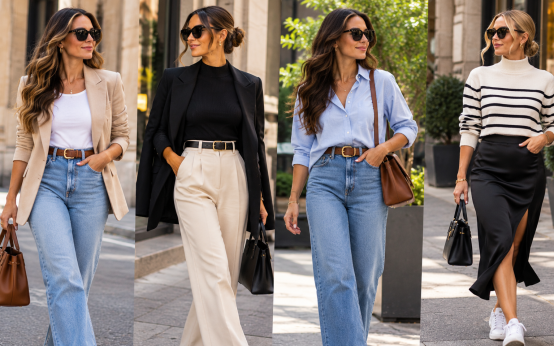 10 Simple Fashion Changes That Can Instantly Upgrade Your Look <p style=' font-weight: normal; line-height: 1.9rem !important; font-size: 17px !important;'> Small fashion changes can make a big difference. Discover easy styling tricks to refresh your wardrobe and create more polished outfits. </p>
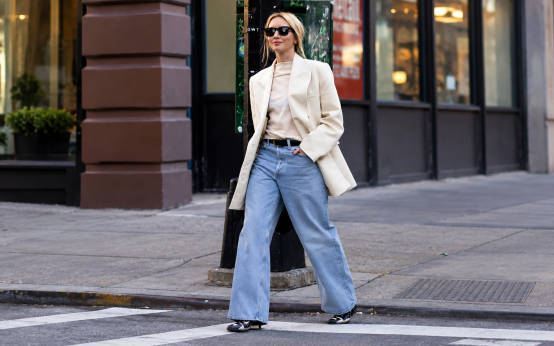 How to Look Expensive Without Spending a Fortune <p style=' font-weight: normal; line-height: 1.9rem !important; font-size: 17px !important;'> Looking elegant doesn’t have to be expensive. Discover simple fashion tips to create sophisticated outfits, elevate your style, and look polished on any budget. </p>
 How to Style Sneakers With Dresses, Jeans, and Everyday Outfits <p style=' font-weight: normal; line-height: 1.9rem !important; font-size: 17px !important;'> Explore stylish ways to wear sneakers with dresses, jeans, and casual outfits while staying comfortable and fashionable every day. </p>